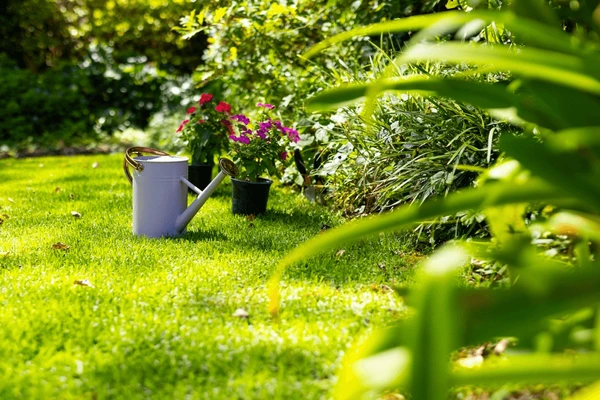
Creating a beautiful outdoor space is no longer just about aesthetics; it’s about cultivating a garden that supports the environment while enhancing your home’s appeal. As concerns about climate change and resource conservation grow, innovative landscaping techniques for sustainable gardening have become essential. This article will guide you through practical, eco-friendly methods to transform your outdoor area into a thriving, low-impact garden. Whether you have a sprawling backyard or a small patio, these ideas will inspire you to create a space that is both stunning and sustainable.
Why Choose Sustainable Landscaping?
Landscaping plays a vital role in how we interact with nature. Traditional gardening often involves high water usage, chemical fertilizers, and non-native plants, which can harm local ecosystems. Sustainable landscaping, on the other hand, prioritizes environmental health, resource efficiency, and biodiversity. By adopting these methods, you can reduce your garden’s carbon footprint, conserve water, and support wildlife.
Moreover, sustainable gardens tend to require less maintenance over time, saving you effort and costs. They also improve soil health and can increase property value, providing both immediate and long-term benefits.
Innovative Techniques to Transform Your Garden
1. Embrace Native and Drought-Tolerant Plants
Choosing plants that are native to your region is one of the most effective ways to ensure a sustainable garden. Native plants are adapted to the local climate and soil conditions, which means they require less water, fertilizer, and pesticides.
- Example: In Mediterranean climates, plants like lavender, sage, and California poppies thrive with minimal watering.
- Benefit: These plants support local pollinators and wildlife, contributing to biodiversity.
If you live in an area prone to drought, consider drought-tolerant species such as succulents, ornamental grasses, and certain shrubs. They reduce water consumption by up to 50% compared to traditional lawns.
2. Implement Rainwater Harvesting Systems
Water conservation is crucial for sustainable landscaping. Installing rain barrels or more advanced rainwater harvesting systems allows you to collect and reuse rainwater for irrigation.
- How it works: Rainwater is captured from rooftops and stored for garden use.
- Impact: This can reduce outdoor water use by 30-70%, depending on your system size and rainfall.
Incorporate drip irrigation alongside rainwater collection to maximize efficiency by delivering water directly to plant roots with minimal waste.
3. Create Permeable Surfaces
Traditional concrete and asphalt surfaces prevent water absorption, leading to runoff and erosion. Replacing these with permeable materials helps manage stormwater naturally.
- Options include: Permeable pavers, gravel paths, and porous concrete.
- Advantages: These surfaces reduce flooding risks and recharge groundwater.
For example, permeable paving can reduce runoff by 50-90%, depending on the material and installation.
4. Incorporate Edible Landscaping
Edible landscaping integrates fruits, vegetables, and herbs into your garden design, combining beauty and practicality.
- Example: Planting berry bushes along pathways or using herbs as ground cover.
- Benefits: It encourages sustainable food production, reduces grocery bills, and limits food miles.
Edible plants often thrive with fewer chemical inputs and can attract beneficial insects that help control pests naturally.
5. Use Compost and Organic Mulch
Soil health is foundational for any garden. Using compost enriches the soil with nutrients, improves structure, and promotes beneficial microbial activity.
- Organic mulch such as wood chips or straw helps retain moisture, suppress weeds, and gradually breaks down to feed plants.
- Practice: Apply a 2-4 inch layer of mulch around your plants annually.
Regular composting reduces waste sent to landfills and can improve soil fertility by up to 20% in the first year.
How Can You Start Implementing These Techniques?
Transforming your outdoor space sustainably doesn’t have to happen overnight. Here’s a step-by-step plan to get started:
- Assess your current garden: Identify areas of high water use, soil issues, and plant selection.
- Set realistic goals: Decide which techniques suit your climate, space, and budget.
- Start small: Begin with one or two changes, such as adding native plants or installing a rain barrel.
- Monitor and adjust: Observe how your changes affect water use, plant health, and wildlife activity.
- Expand gradually: Incorporate more sustainable features as you gain confidence and resources.
Mini Case Study: Sustainable Garden Makeover in a Suburban Home
| Aspect | Before | After | Impact |
|---|---|---|---|
| Plant Selection | Non-native, high-water plants | Native shrubs, drought-tolerant perennials | Water use reduced by 40% |
| Water Management | Standard sprinkler system | Rainwater harvesting + drip irrigation | Water efficiency improved by 60% |
| Surface Material | Concrete patio | Permeable pavers | Stormwater runoff decreased by 70% |
This example shows that strategic changes can make a substantial difference in sustainability and garden health within 6 months.
What Are the Long-Term Benefits of Sustainable Landscaping?
Beyond immediate environmental advantages, sustainable landscaping offers multiple long-term benefits:
- Cost savings: Reduced water bills and less need for chemical inputs.
- Enhanced biodiversity: Supporting pollinators and beneficial insects improves ecosystem balance.
- Resilience to climate extremes: Healthy soil and native plants better withstand droughts and heavy rains.
- Improved mental well-being: Natural, thriving gardens contribute to relaxation and stress reduction.
Conclusion: Take Action to Create Your Sustainable Outdoor Oasis
Transforming your outdoor space with innovative landscaping techniques is a rewarding journey that benefits both you and the planet. By choosing native plants, conserving water, improving soil health, and designing with nature in mind, you create a sustainable garden that flourishes year-round with minimal environmental impact.
Start small, stay consistent, and watch your garden evolve into a vibrant, eco-friendly retreat. Take the first step today by evaluating your current landscaping and exploring one new sustainable practice. Your outdoor space—and future generations—will thank you.

Inside Starbucks: What Working There Really Feels Like

Working at Sobeys: job opportunities in a trusted grocery company

Working at Canadian Tire: real opportunities to start or grow your career

Relationship red flags: 10 warning signs you shouldn’t ignore

Modern dating: strategies for authentic connections

Love in the digital age: dating apps and relationships

Lasting bonds: strategies for couples to deepen connection

Healthy relationships: habits for lasting love and connection
Patio ideas: transform your outdoor space into a relaxation oasis