
Recognizing the early warning signs in a romantic relationship can be the key to safeguarding your emotional well-being. While every couple faces challenges, some behaviors—known as red flags in relationships—signal deeper issues that shouldn’t be overlooked. Understanding these signals empowers you to make informed decisions, fostering healthier connections or choosing to walk away before emotional damage escalates. This article dives into 10 crucial red flags you should never ignore, providing practical insights to help you navigate your love life with clarity and confidence.
What Are Red Flags in Relationships and Why Do They Matter?
Red flags are subtle or overt signs that indicate potential problems in a relationship’s foundation. They often reflect unhealthy dynamics, such as disrespect, control, or lack of trust. Ignoring these signs can lead to prolonged unhappiness, emotional distress, or even abuse. Identifying red flags early provides an opportunity to address issues, seek support, or exit the relationship before harm occurs.
1. Lack of Communication or Consistent Avoidance
Effective communication is the cornerstone of any healthy relationship. When your partner consistently avoids meaningful conversations or shuts down discussions about feelings and problems, it signals a disconnect. For example, if attempts to resolve conflicts end with silence or evasiveness, it suggests unwillingness to engage or grow together.
Action step: Encourage open dialogue and observe if your partner is willing to participate. If communication remains blocked over 3 to 6 months, consider professional guidance or reassessing the relationship.
2. Controlling Behaviors Disguised as Care
Sometimes control masquerades as concern—frequent check-ins, demands to know your whereabouts, or dictating who you can see. While occasional concern is normal, persistent control undermines autonomy. For instance, a partner who insists you stop hobbies or friendships “for your own good” is crossing boundaries.
Example: Sarah’s boyfriend would insist on seeing her phone messages daily, claiming he “just cares.” Over time, this made her feel trapped and anxious.
3. Excessive Jealousy and Possessiveness
Jealousy in small doses can be natural, but when it becomes constant suspicion or accusations without cause, it’s a red flag. This behavior often leads to mistrust and emotional manipulation.
Tip: Healthy relationships are built on trust, not constant reassurance. If jealousy causes frequent arguments or isolation, it’s time to take notice.
4. Disrespect or Dismissiveness
Mutual respect is non-negotiable. Pay attention if your partner frequently belittles your opinions, interrupts, or dismisses your feelings. Disrespect can be subtle—sarcasm, eye-rolling, or ignoring your boundaries.
Over time, this erodes self-esteem and can escalate into emotional abuse.
5. Inconsistent or Unreliable Behavior
Reliability forms the trust foundation. If your partner often breaks promises, cancels plans last minute, or behaves unpredictably, it signals a lack of commitment or respect for your time and feelings.
Mini-case study: John noticed his girlfriend would frequently say she’d call but never did, leaving him anxious and uncertain. This inconsistency made him question the relationship’s stability.
6. Avoidance of Accountability
Everyone makes mistakes, but a healthy partner owns their actions and apologizes sincerely. If your partner consistently blames others, refuses to admit wrongdoing, or gaslights you into doubting your perception, it’s a serious red flag.
7. Excessive Criticism or Negativity
Constructive feedback is healthy; relentless criticism is harmful. If your partner frequently points out your flaws without support or encouragement, it damages your confidence and creates emotional distance.
8. Lack of Emotional Support
In a fulfilling relationship, partners support each other through challenges and celebrate successes. If your partner shows indifference to your feelings or achievements, or dismisses your struggles, this lack of empathy can lead to loneliness and resentment.
9. History of Dishonesty
Trust is fragile and rebuilding it after repeated lies can be exhausting. If you uncover a pattern of dishonesty—whether about finances, past relationships, or daily matters—it’s a significant concern.
10. Intimidation or Threatening Behavior
Any form of intimidation, threats, or aggressive behavior is an immediate red flag. This includes verbal threats, physical intimidation, or coercion. Such behaviors are signs of emotional or physical abuse and require urgent attention.
| Red Flag | Potential Impact | Suggested Action |
|---|---|---|
| Lack of Communication | Emotional distance, unresolved conflicts | Initiate open talks; consider counseling |
| Controlling Behavior | Loss of autonomy, anxiety | Set clear boundaries; seek support |
| Excessive Jealousy | Mistrust, isolation | Discuss trust issues; evaluate relationship health |
| Disrespect | Lowered self-esteem, resentment | Communicate feelings; reassess relationship |
| Inconsistency | Uncertainty, lack of trust | Observe patterns; demand reliability |
| Avoidance of Accountability | Blame-shifting, emotional manipulation | Encourage responsibility; consider therapy |
| Excessive Criticism | Damaged confidence, emotional distance | Set limits; seek mutual respect |
| Lack of Support | Loneliness, dissatisfaction | Express needs; evaluate empathy |
| Dishonesty | Broken trust, suspicion | Address transparency; consider boundaries |
| Intimidation | Fear, abuse | Seek help immediately; prioritize safety |
How Can You Protect Yourself from Ignoring These Red Flags?
It’s natural to want to see the best in someone you care about, but ignoring red flags can lead to emotional pain. Here are practical steps to protect yourself:
- Trust Your Intuition: If something feels off, don’t dismiss it.
- Set Clear Boundaries: Define what behaviors you will and won’t accept.
- Communicate Assertively: Share concerns calmly and observe responses.
- Seek Support: Talk to trusted friends, family, or professionals.
- Prioritize Self-Care: Maintain your interests, friendships, and independence.
When Should You Consider Ending the Relationship?
Deciding to leave is difficult, but sometimes necessary for your well-being. Consider these indicators:
- Repeated patterns of disrespect or control despite discussions.
- Feeling unsafe or fearful around your partner.
- Emotional or physical abuse.
- Persistent dishonesty that undermines trust.
- Lack of effort or willingness to improve from both sides.
Remember, leaving can be a step toward healthier, happier relationships in the future.
Conclusion: Stay Alert, Stay Empowered
Understanding and recognizing red flags in relationships isn’t about creating mistrust—it’s about cultivating awareness and protecting your emotional health. By acknowledging these warning signs early, you give yourself the chance to foster relationships grounded in respect, trust, and genuine care. Don’t hesitate to take action if you notice these red flags—your happiness and safety are paramount.
Ready to take control of your relationship journey? Start by reflecting on your current connections, communicate openly with your partner, and seek guidance if needed. Empower yourself with knowledge and never settle for less than the respect and love you deserve.

Inside Starbucks: What Working There Really Feels Like

Working at Sobeys: job opportunities in a trusted grocery company

Working at Canadian Tire: real opportunities to start or grow your career

Relationship red flags: 10 warning signs you shouldn’t ignore

Modern dating: strategies for authentic connections
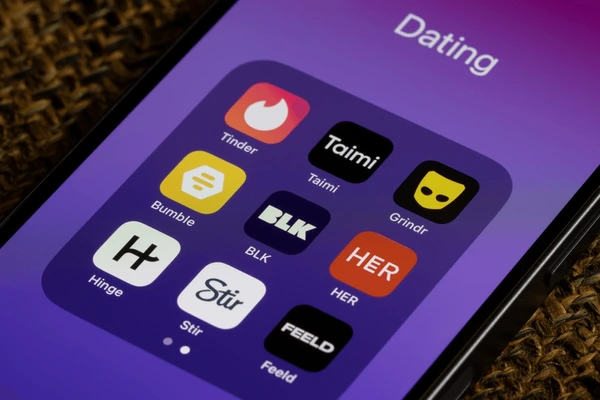
Love in the digital age: dating apps and relationships

Lasting bonds: strategies for couples to deepen connection

Healthy relationships: habits for lasting love and connection

Patio ideas: transform your outdoor space into a relaxation oasis